How Deep Should Texture Be on 3D Printed Terrain?
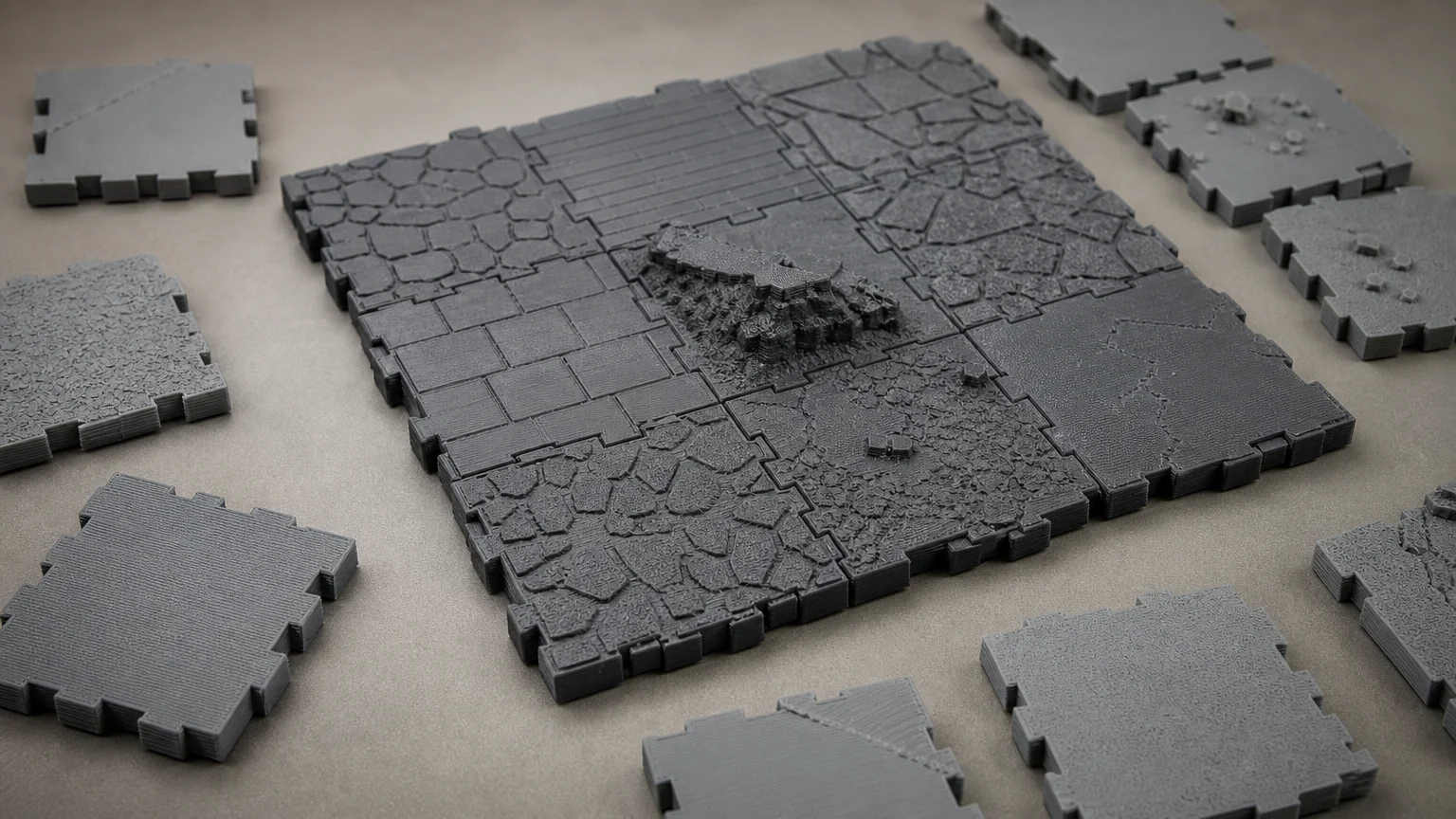
Learn how to balance detail, printability, and playability by understanding the best 3D printed terrain texture depth for your gaming table.
 Rusty Mapes
Learn how to balance detail, printability, and playability by understanding the best 3D printed terrain texture depth for your gaming table.
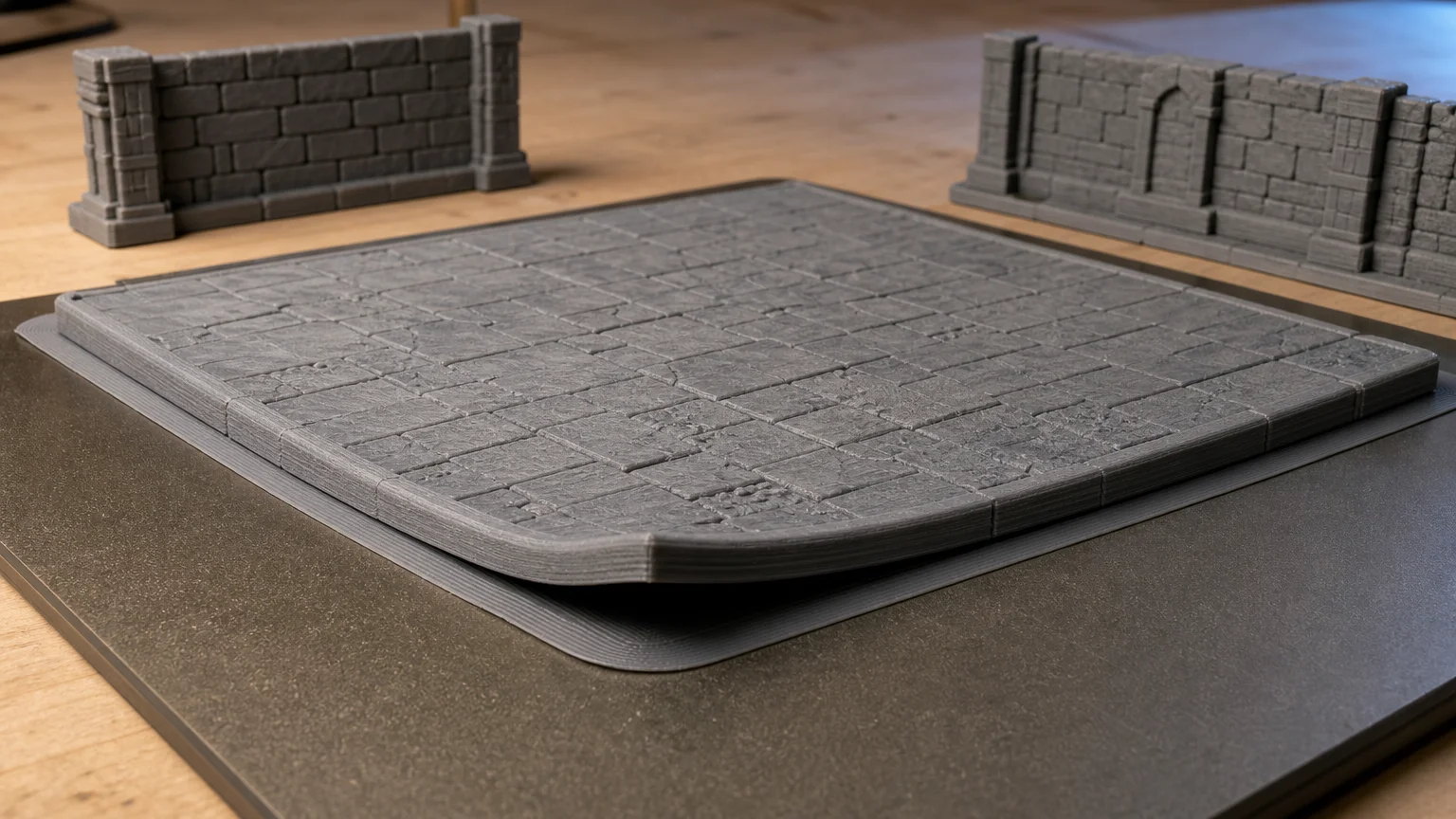
Learn why large dungeon floors, tiles, and long walls curl at the corners, then work through practical fixes for adhesion, drafts, material choice, and geometry.
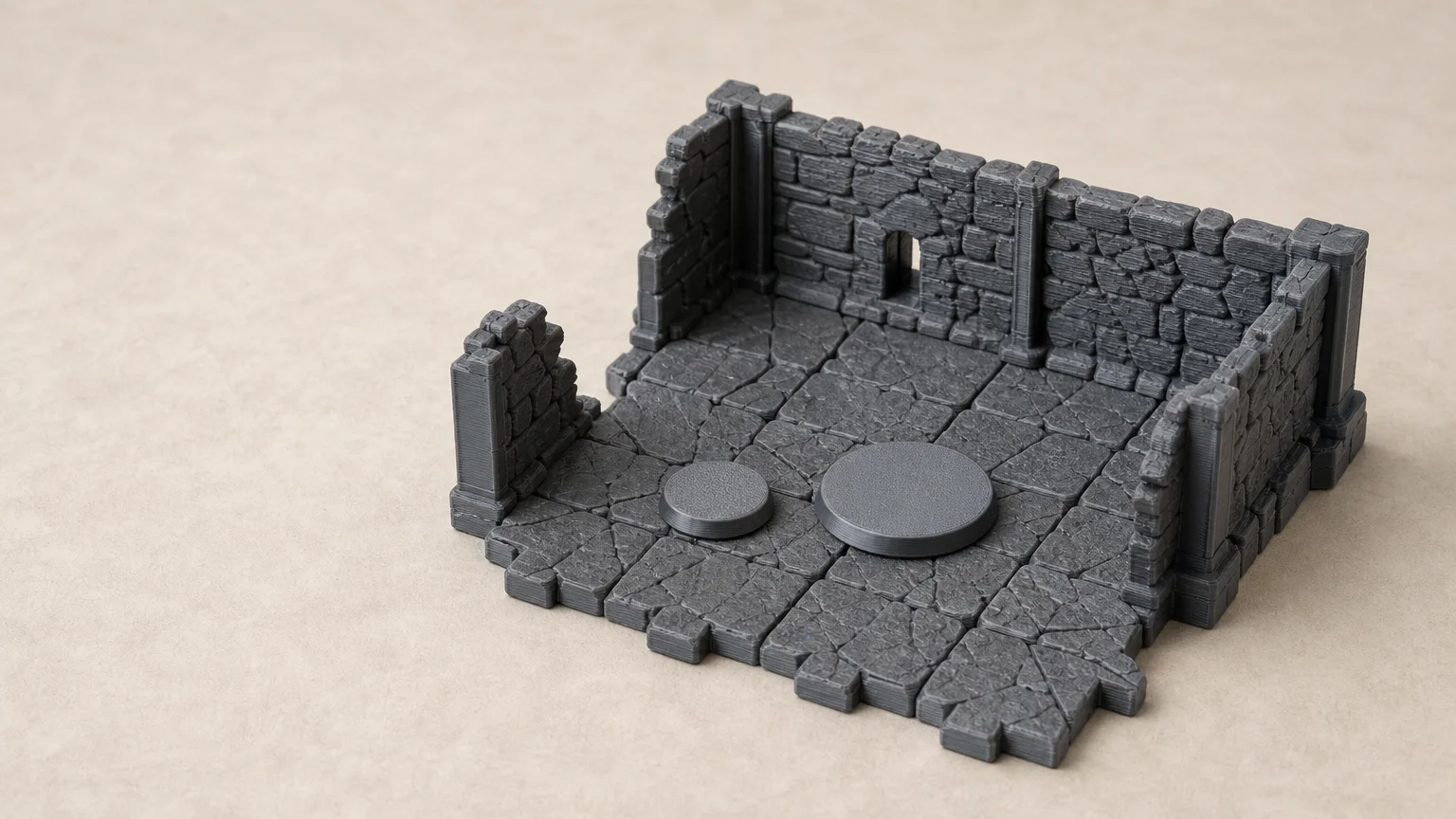
Find out when 28mm and 32mm terrain scales are cross-compatible, which features need attention, and what scale labels really mean for your RPG or wargame table.
Learn exactly how to plan, print, and assemble a modular 3D printed dungeon. Covers standard dungeon sizes, connectors, print tips, and real planning advice for an efficient, playable set.
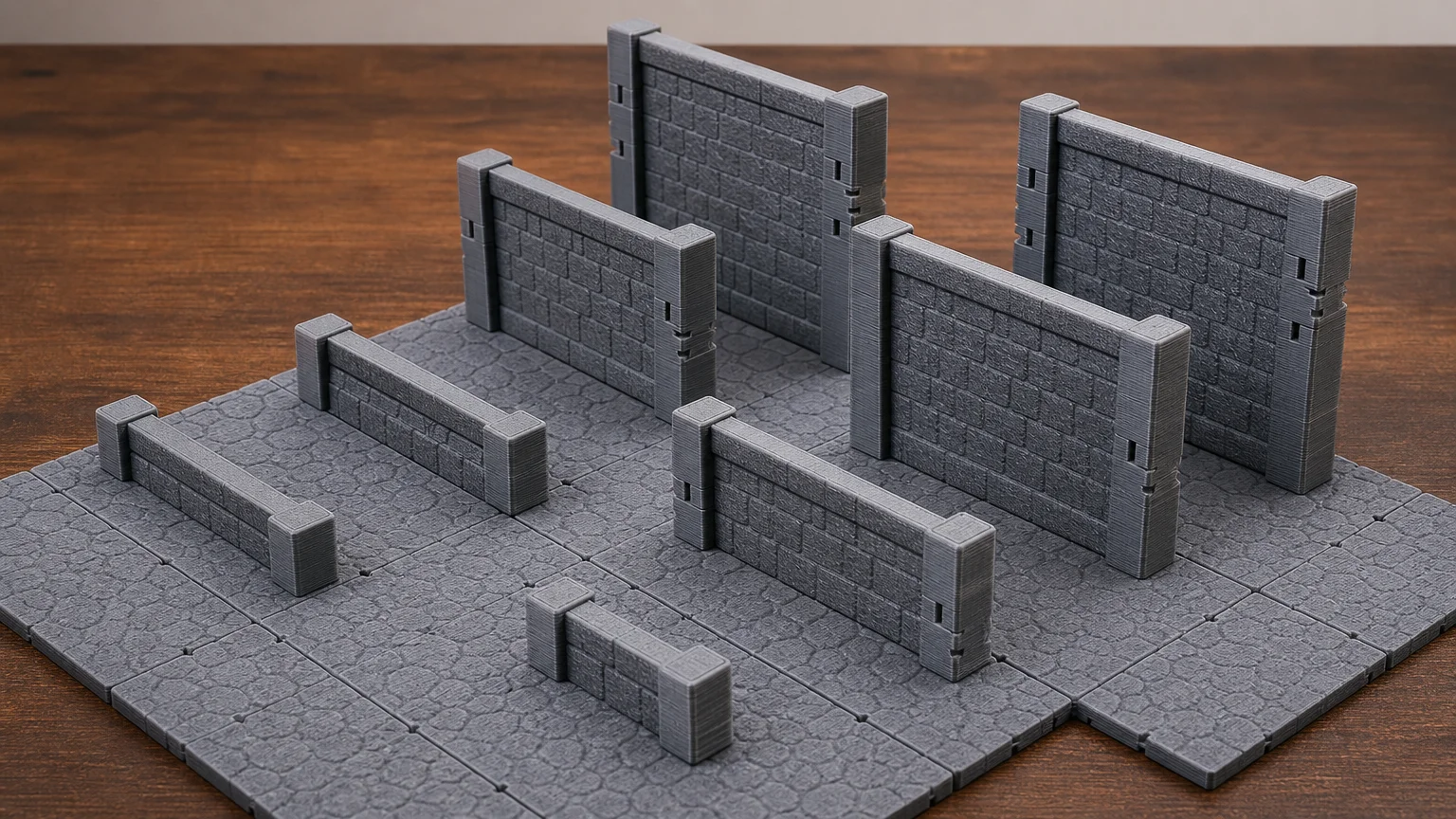
No universal wall height fits every 3D-printed dungeon. Find out how to balance immersion and playability by choosing the right wall height for your tabletop terrain.
Learn how to build a functional 3D printed terrain starter set—floors, walls, doors, stairs, and scatter—for tabletop games, and avoid printing random models.
Struggling to choose the best nozzle size for 3D printed terrain? We break down 0.4 mm vs 0.6 mm, plus when to go bigger or smaller, to help your next tabletop build.
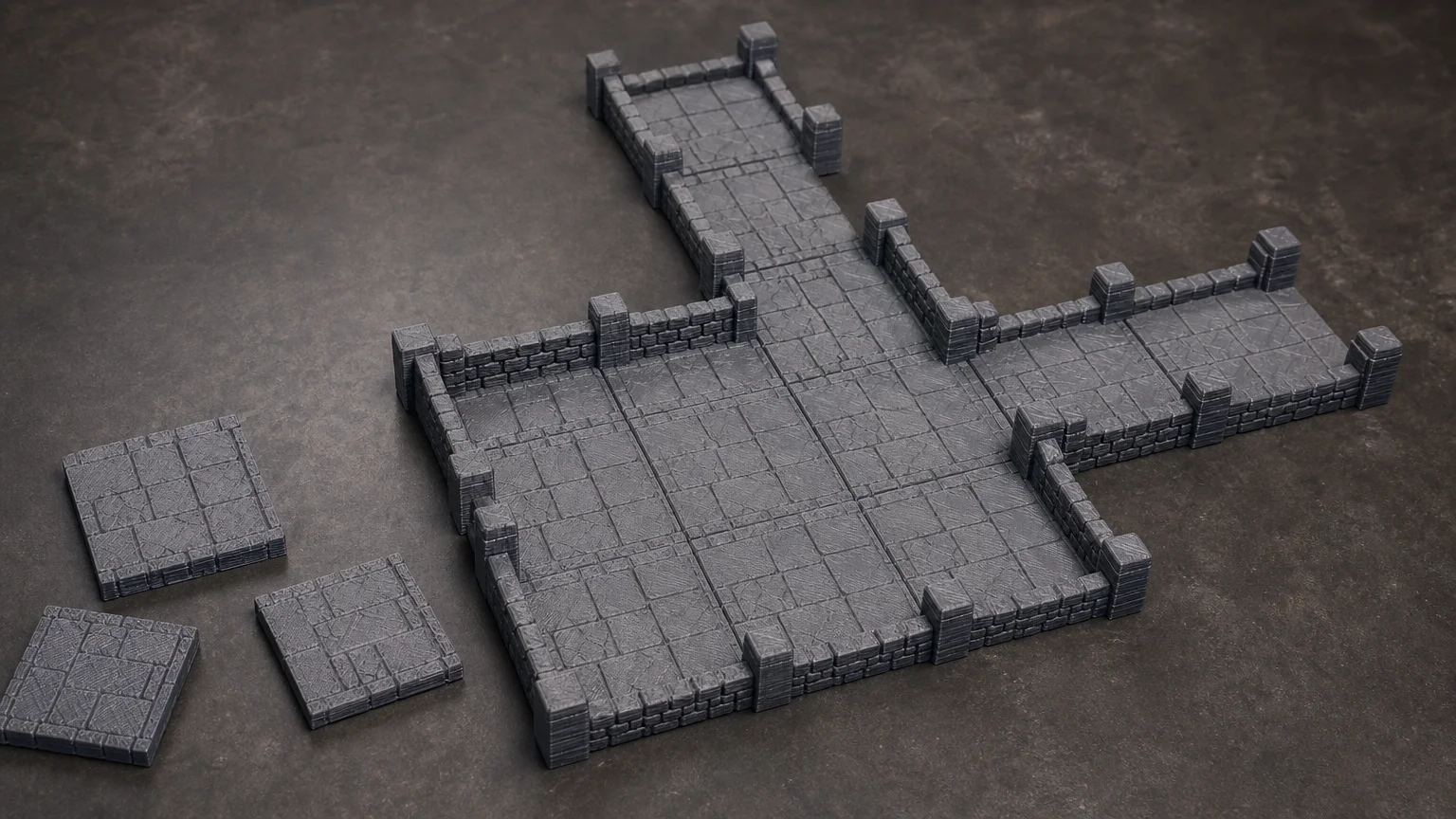
No one-size-fits-all answer exists for dungeon tile counts, but with standard mapping and a few planning rules, it’s easy to estimate the number you’ll need for classic encounters, rooms, and layouts.